







21FREE+
Beautiful nails.
Better choices.
Our 21FREE+ formula is developed to deliver professional results without 21 commonly questioned ingredients. Better for you, without compromising on performance.
Shop 21FREE+
21FREE+ Formula
Free from 21 selected ingredients.
Professional performance
Salon quality with long lasting wear
100% vegan
Always vegan.<br>Never tested on animals
Safety first
All formulas are EU safety assessed and compliant
European Standard
Formulated to strict European standards.
What is 21FREE+?
Every cosmetic product sold in the EU must be safety-assessed and documented. But not all formulas—or intended users—are the same.
At The Gel Collection, we go further with our 21FREE formula, excluding 21 ingredients we do not want in products made for home use. This includes ingredients restricted to professionals and others we avoid as an extra precaution.
Our gel polishes are developed, assessed and documented for private consumers under EU cosmetics regulations—combining lasting performance, easy application and a more considered at-home routine.
Because “professional use only” does not automatically mean better. It means the product requires professional knowledge and precision. We create high-performance gel products specifically for home use.

92%
of customers highlight 21FREE+ as a key reason for choosing us.
The full list
Click on any ingredient to learn more about its purpose, how it is commonly used, and why we have chosen to leave it out of our formulas.

“Transparency is part of quality. That’s why we’re just as open about what isn’t in our products as what is.”
Founder, The Gel Collection
01Fragrance
Fragrance provides a pleasant scent. However, exposure to fragrance can trigger eczema and skin irritation even at low concentrations. It can also provoke allergic reactions and develop into fragrance allergy over time. The legality of fragrances depends on the specific scent compounds used. Some are fully permitted, while others are restricted or only allowed within certain concentration limits.
02Parabens
Parabens are preservatives that prevent bacterial and fungal growth. However, parts of this group are confirmed endocrine disruptors. Some parabens remain fully permitted in cosmetics, while others are only allowed within certain concentration limits. Five specific parabens (isopropylparaben, isobutylparaben, phenylparaben, benzylparaben and pentylparaben) are outright banned in cosmetics.
03PFAS
PFAS substances are used to affect the consistency and texture of nail products and have the ability to repel both water and oils. They belong to a very large group of organic fluorine compounds (over 10,000 substances) and have only been thoroughly studied in a few cases. But researchers know that subgroups like PFOS and PFOA have many unwanted health effects.
04Microplastics
Microplastics are tiny plastic particles measuring under 5 mm in any direction. These near-invisible fragments are found everywhere — from water to the air we breathe, and even in food. Microplastics come from many sources including degraded plastic bottles, tire wear, and microfibers released from synthetic textiles when we wash clothes. They are also in everyday products like soap, toothpaste, and yes — even nail products.
05Palm Oil
Palm oil is often produced in rainforest areas that are cleared to make room for palm plantations. This damages the climate and the plant and animal life in the affected areas.
06Formaldehyde
Formaldehyde is a preservative that prevents bacterial and fungal growth and can also act as a nail hardener. However, it can be allergenic and irritating to mucous membranes, skin, and eyes. It's also classified as carcinogenic when inhaled in high concentrations in workplace environments.
07Formaldehyde Resin
Formaldehyde Resins can be various synthetic resins produced by combining formaldehyde with other chemicals such as urea, melamine, or phenol. Formaldehyde Resin helps promote product adhesion to the nail surface, contributing to better durability. However, it can release formaldehyde and therefore be allergenic and irritating to mucous membranes, skin, and eyes. It can also be carcinogenic when inhaled in high concentrations in workplace environments.
08TMPTA
TMPTA was previously used to make materials cure quickly under UV light. It was classified as a suspected carcinogen and banned in cosmetic products from December 1, 2023. Trimethylolpropane Triacrylate was included in the very first batch of our Gel Polish, launched in November 2022. Shortly after, the EU focused on this ingredient, and we proactively chose to remove it — long before a final ban came into force.
09Animal-derived ingredients
Products from The Gel Collection are vegan — we believe it's important to avoid ingredients derived from animals. Examples include beeswax, glycerin, or certain proteins (some of which can be either synthetically developed or animal-derived).
10Azo Dyes
Azo dyes are a group of synthetic colorants belonging to the so-called "azo group." Certain dyes from the azo group can form carcinogenic substances (arylamines) or are highly toxic to aquatic environments. Some azo dyes are illegal under EU cosmetic regulations, while others are restricted or permitted within certain concentration limits.
11Toluene
Toluene is a solvent that can make gel products less viscous and helps dissolve pigments (color). However, it's classified as suspected of being harmful to reproduction and affects the central nervous system and brain. Toluene is legal in cosmetics for both professionals and home users, but the concentration limit is max 25%. It's reserved for adult use and must be kept away from children.
12Sulfates
Sulfates are surfactants with a cleansing effect. However, they have a dehydrating, drying effect and can therefore irritate the skin. No sulfates are explicitly illegal under EU cosmetic regulations, but some are only permitted within certain concentration limits (e.g. Sodium Laureth Sulfate (SLES) and Ammonium Lauryl Sulfate (ALS)).
13Phthalates
Phthalates are plasticizers that add flexibility to gel products. However, many phthalates are confirmed to have negative effects on reproduction and fetal development. Some phthalates are illegal under EU cosmetic regulations (e.g. Dibutyl phthalate (DBP)), while others are permitted within certain concentration limits.
14Isothiazolinones
Isothiazolinones are a group of chemical preservatives added to nail products to extend shelf life and prevent bacterial and fungal growth. However, they're known to cause irritation of skin, eyes, and lungs and severe skin allergies even at very low concentrations in nail products. Isothiazolinones are legal in cosmetics, but several of them are subject to specific concentration limits.
15BHT/BHA
BHT (butylated hydroxytoluene) and BHA (butylated hydroxyanisole) are typically used as antioxidants in cosmetic products, extending shelf life. However, they have been identified as endocrine disruptors. BHT and BHA are legal in cosmetics, but BHT is subject to a concentration limit of 0.8%.
16Benzophenones
Benzophenones are UV-filtering additives used to protect the formula from the side effects of UV light (such as color fading). However, they've been linked to being endocrine-disrupting, carcinogenic, and potentially harmful to reproduction. Some benzophenones are illegal under EU cosmetic regulations, while others are restricted or permitted within certain concentration limits.
17Ethyl Tosylamid
Ethyl Tosylamid is a plasticizing and film-forming substance that makes gel products smooth and uniform, and increases curing speed. However, it's suspected of contributing to bacterial resistance.
18Bismuth Oxychloride
Bismuth Chloride Oxide is a naturally occurring mineral that adds shine to gel products or is used as a mineral pigment (color). However, it's known to cause skin irritation.
19Triphenylphosphat
Triphenyl Phosphate (TPhP) is a plasticizer and flame retardant that makes nail products more flexible and durable. However, TPhP is classified as endocrine-disrupting and potentially harmful to reproduction. TPhP has been under investigation by ECHA since 2017 for possible endocrine-disrupting effects.
20Dibenzothiophene
DBT is a solvent and plasticizer that can add higher gloss and protect products against cracks. However, it's known to cause hormonal imbalances and reproductive problems, including fetal deformities.
21Camphor
Camphor is a white, waxy, crystalline substance used in nail products to provide a shiny finish on the nail. It's generally considered safe in small amounts. However, larger doses or prolonged exposure can cause side effects such as skin irritation, allergic reactions, headache, dizziness, or confusion.
Proven quality
Loved by thousands.
Join 200.000+ others who chose 21FREE+ for beautiful, healthy nails

Frequently Asked Questions
We’re here to help you every weekday, both before and after your purchase.
Often used ressources:
What is 21FREE+?
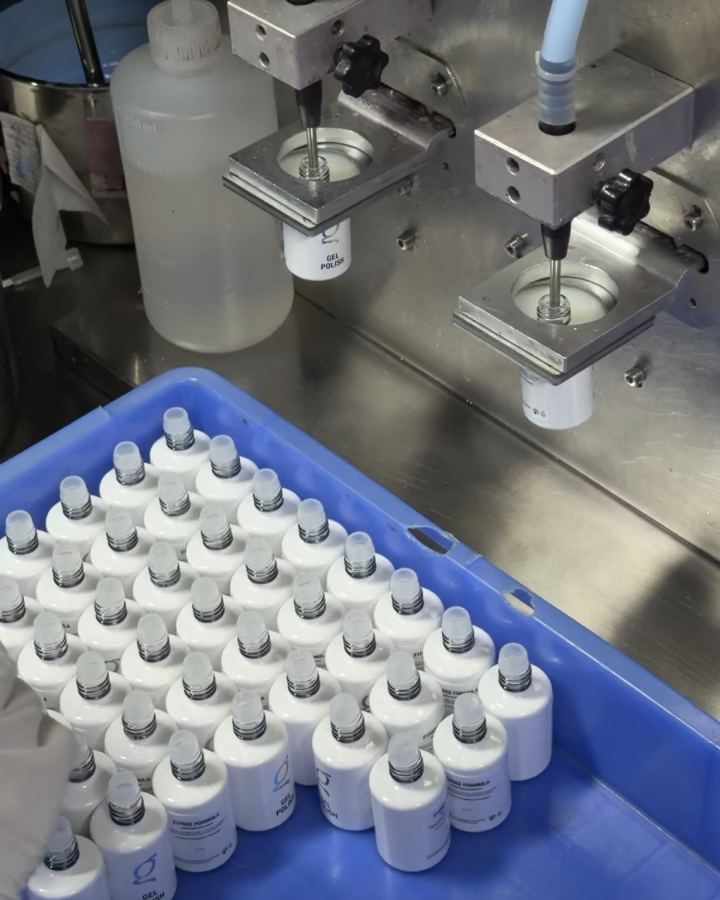
21FREE+ is the next generation of our gel universe — rethought from the ground up based on five years of feedback from thousands of home users.
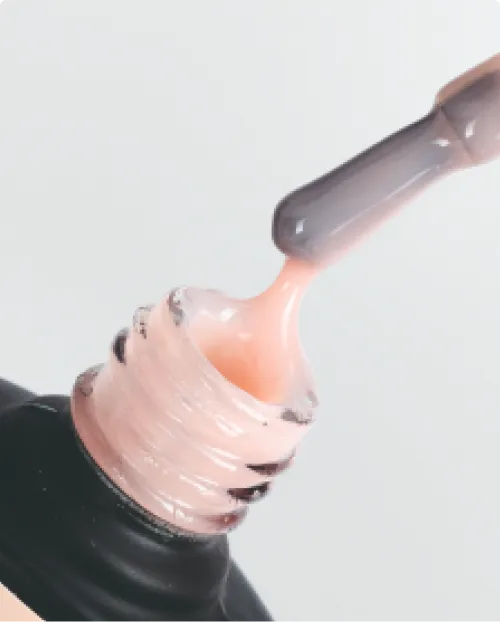
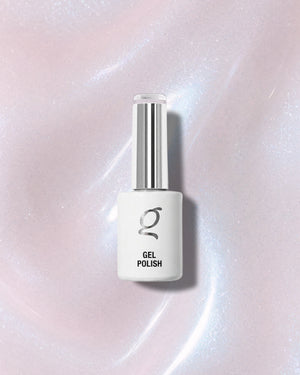
New formulas with a creamier, easier-to-control texture, richer pigmentation, our most precise brush to date, and a new bottle with the actual gel colour shown in the cap. Launching with around 100 shades, and growing from here.
Is it easy to do gel nails at home?
Yes — that is exactly what our products are made for. Every formula is developed for home use, and each starter kit includes The Gel Guide with step-by-step instructions. Most beginners manage a full manicure on their first try.
What's the difference between 21FREE and 21FREE+?
21FREE is our promise: no products contain the 21 ingredient types we have excluded. 21FREE+ is the next generation of that line — new formulas with a creamier texture, richer pigmentation, a more precise brush and a new bottle, still completely free from the same 21 ingredients.
Are 21FREE+ products EU compliant?
Yes. Every formula is developed, safety-assessed and documented for private consumers under EU cosmetics regulations.